 |
| By Michael A. Robinson |
According to McKinsey, global data center spending could reach $6 trillion to $7 trillion by 2030.
A lot of investors think the AI buildout only happens in the cloud.
But most of that money flows into the bricks and mortar of AI.
Things like land, power stations, cooling systems and backup generators.
We’re also talking about the miles of switches, cables and wires that go inside those data centers.
And of course, concrete, steel and copper to house and connect it all.
A standard data center might use 15,000 tons of copper for its wiring and electrical systems.
But next-generation AI campuses use much more.
These sites are no longer warehouses of servers that connect to the cloud.
They are massive energy hubs.
And the need for more copper isn’t confined to data centers that you may never lay eyes on.
Electric cars, grid updates, chipmaking and factory automation grind to a halt without it.
Copper sits at the center of each of these trends because it is the best way to move electricity to date.
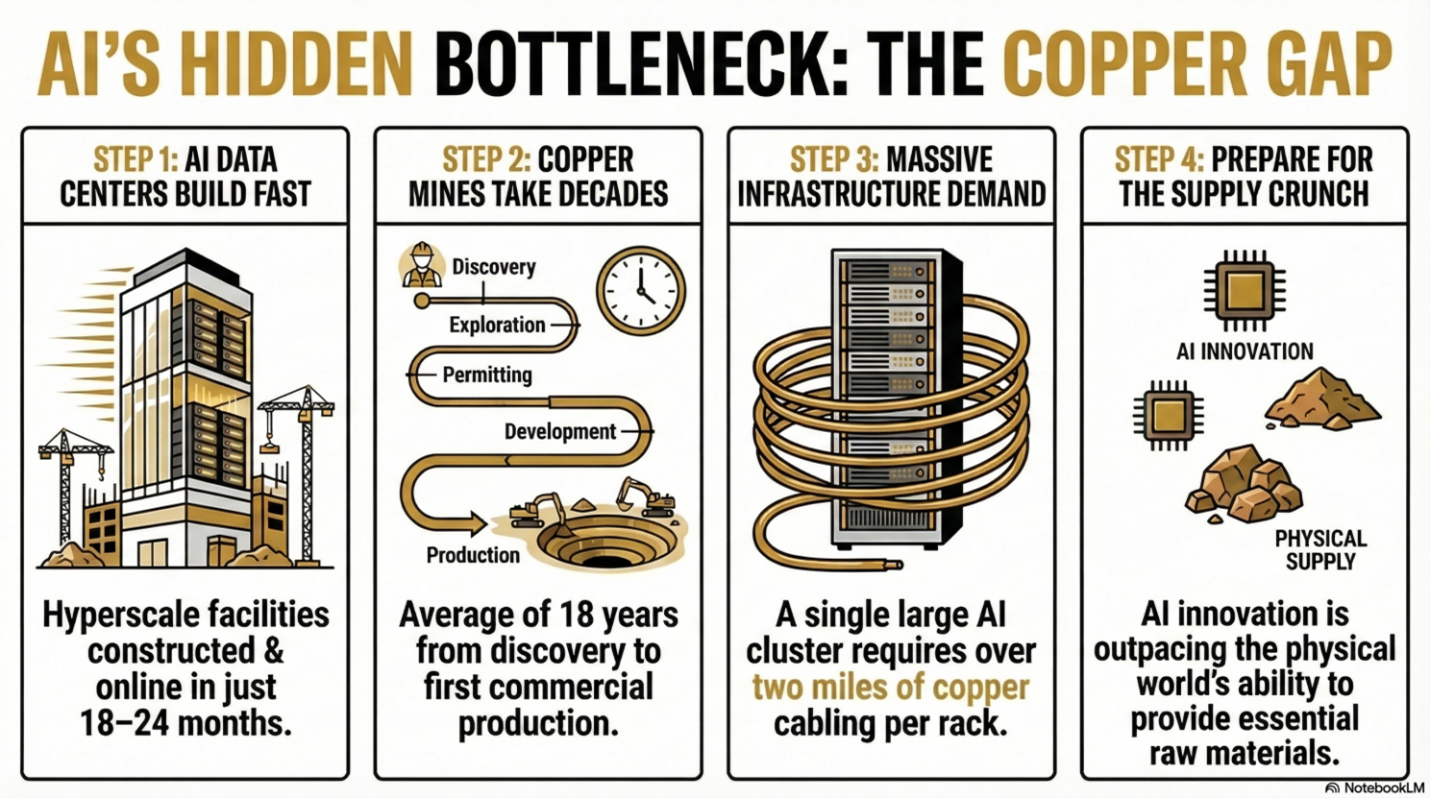
When a resource becomes a bottleneck, the companies that control the supply gain the most leverage.
But copper is only the first layer of this story.
Because moving electrons is one thing.
Controlling them is another.
Power Is the Real Constraint
A single 100-megawatt AI data center can use as much power as 80,000 American homes.
These sites run nonstop, every hour of the year.
And developers are no longer building standard sites. They’re constructing massive, hyperscale campuses designed to run huge electric loads around the clock.
But raw power is only part of the story.
AI chips are very sensitive to power quality. Even a small flicker in power can slow them down or ruin expensive equipment.
Think of it like a surgeon with a shaky hand — one small tremor and the job fails. AI data centers need a steady hand.
Raw power from the grid must be turned into clean, stable electricity.
It must be filtered and watched in real time.
Backup systems must kick in without a blink.
Cooling must respond in a split second.
This isn’t basic, on-off power. It’s precision engineering.
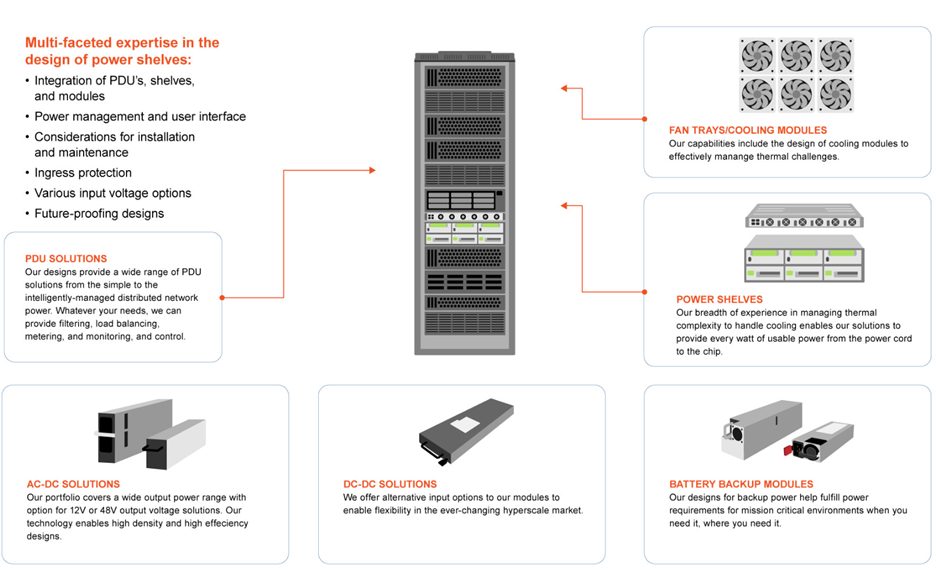
And that precision layer is already a massive market.
The global power electronics market stood at roughly $55 billion in 2024. It’s projected to keep growing as AI, chipmaking and factory automation all demand cleaner, steadier power.
As trillions flow into the AI buildout, a big share goes to the systems that make power not just available but easy to use.
That’s why this sector is on pace to hit $89 billion by 2035, according to Precedence Research.
If copper is the bloodstream of the AI Supercycle, precision power is part of the nervous system.
I’ve shared ways to play both trends before.
But just this week, I found another crucial piece that makes the AI Supercycle run …
The Company Behind Every New Data Center
Before a single hyperscale data center goes live …
Before one byte of AI data moves through one fiber line …
Someone has to sign off on it.
You see, every fiber connection Amazon and Google installs has to be certified before it goes live.
One company’s equipment is relied on for that.
It has dozens of products to make sure all those Nvidia chips are operating at their maximum capabilities, power is being used efficiently and downtime is minimized.
The companies pouring trillions into these AI data centers rely on this company to get the most out of those investments.
And I was able to find this small company through a brand-new indicator.
I call it my Breakout Signal.
It tracks where money is flowing inside the tech sector.
As you are likely aware, it is no longer going into the Mag 7 … but away from them.
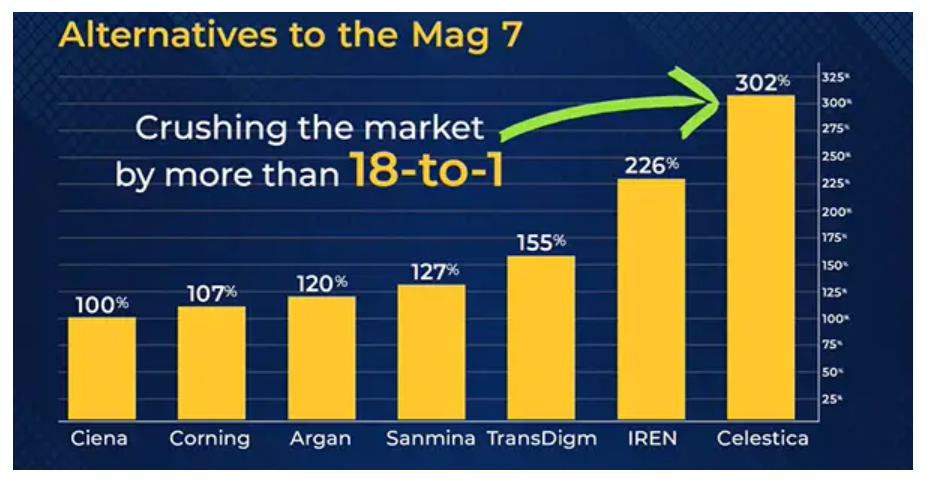
Where’s all that money going?
Into companies like the one I was just discussing.
It is essential for the big tech companies to launch these new AI data centers into the world.
Weiss Tech Breakout members already have this stock in their brokerage accounts.
The only other way to see how I found this company — and what it is — is to watch this video to the end.
But you need to hurry. We have to take down this video at 11:59 p.m. Eastern tonight.
Those who do watch it all the way through and follow the instructions at the end will see where my Breakout Signal sees tech money flowing next.
To get your own piece of that action, click this link here.
Best,
Michael A. Robinson