Why Washington Is Buying Up These 9 Quantum Leaders
 |
| By Michael A. Robinson |
When two revolutionary technologies converge in new and exciting ways, the result can be transformative.
New solutions to some of humanity's biggest problems emerge.
Entire industries are born.
And early investors can reap a real windfall.
Think about your smartphone, which freed you up to get calls and texts everywhere. Then providers bolted on the internet, GPS and a camera.
This led to the likes of Meta’s (META) Facebook, Uber (UBER), DoorDash (DASH) and a multitrillion-dollar app economy that keeps growing by the day.
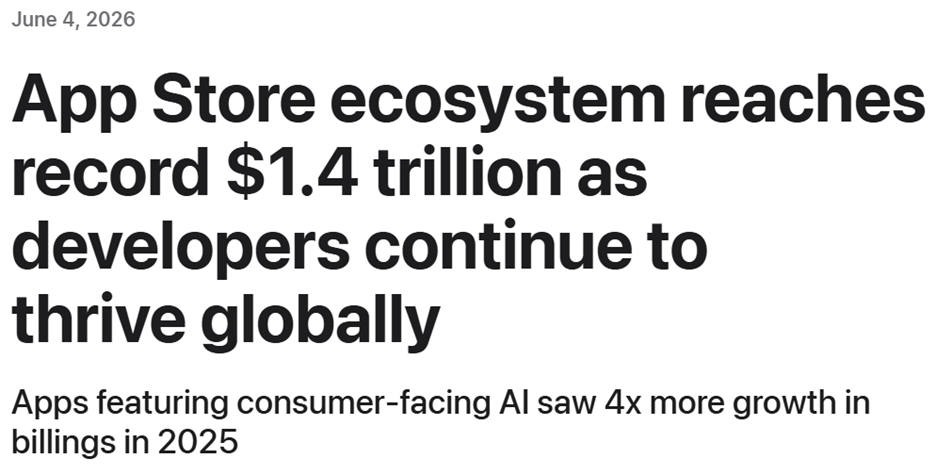
Today, a similar story is playing out with two of the most promising sectors in tech.
It’s just like when the combination of the steam engine and the railroad led us into the Industrial Revolution.
Only today, it’s two technologies that are on a collision course to upend computing as we know it.
I'm talking about the convergence of AI and quantum computing.
And the potential prize is huge.
The quantum market alone is set to double from $1.9 billion last year to $4 billion by 2028, according to the Quantum Economic Development Consortium.
The UN projects AI will hit $4.8 trillion by 2033 — a 25x jump from 2023.
And that’s before the AI agents get involved …
Microsoft’s AI Agent-Quantum Partnership
AI agents are becoming all the rage.
And not just among early adopters and other tech enthusiasts.
Anyone who’s ever wanted to automate boring, routine tasks … and instead focus on the matters that need human judgment and creativity … understands why.
But agents are capable of much more than handling expenses, meeting notes and ordering supplies.
These AI helpers are being deployed at the cutting edge of science and technology.
Just look at Microsoft’s (MSFT) latest quantum discovery.
The company has been at the forefront of the quantum revolution since releasing its quantum chip, Majorana 1, last year.
This chip became the first to use topological qubits to lower “noise” that leads to quantum computing errors.
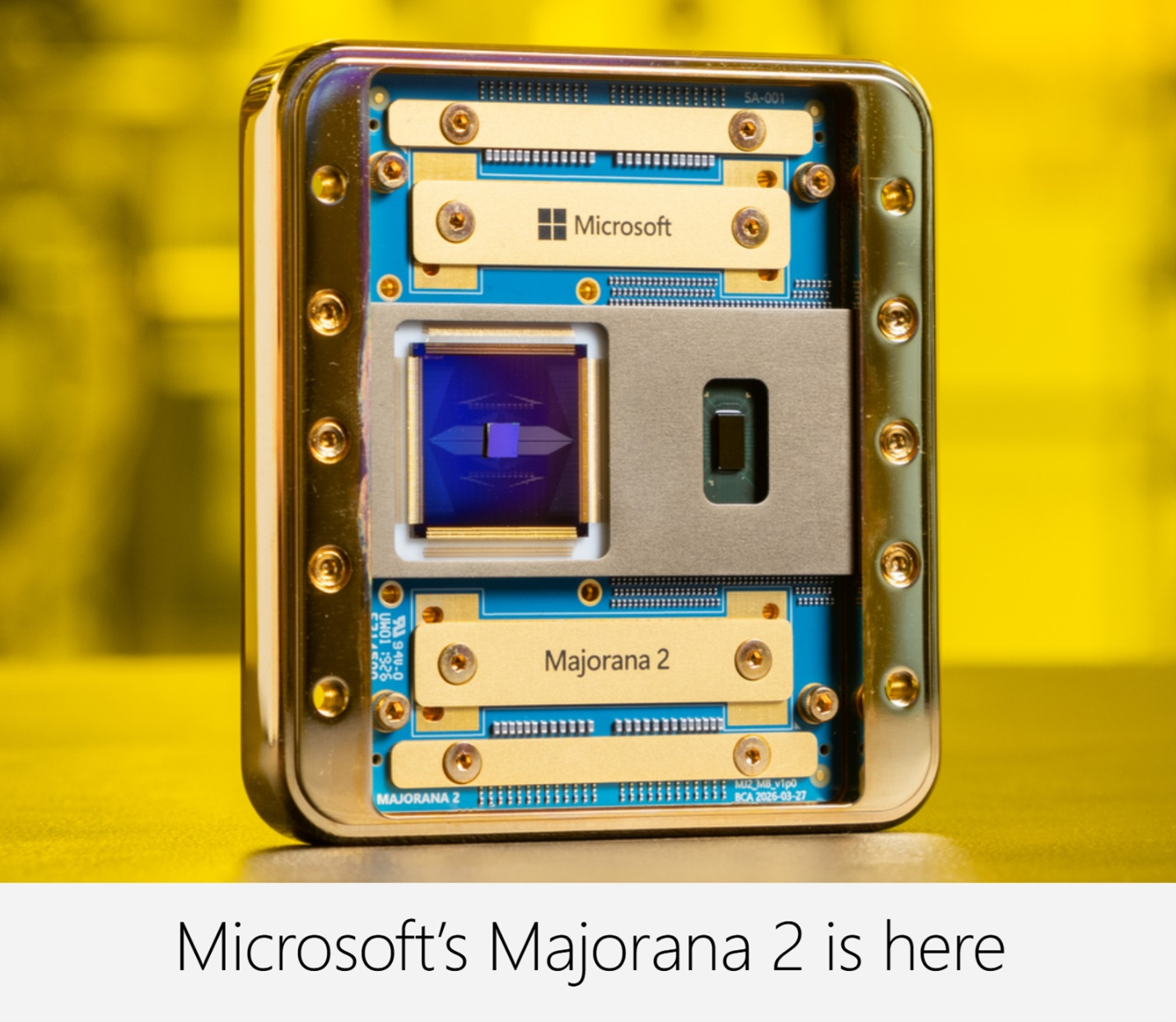
Now, Microsoft has just unveiled Majorana 2.
The company says this next-gen quantum chip is 1,000 times more reliable than the Majorana 1 chip.
More reliable … and much faster.
It was just last year that Nvidia’s (NVDA) Jensen Huang sparked a quantum-stock catastrophe when he said we wouldn’t see useful quantum computers for another 20 years.
He’s since gone on the record to say he was wrong. Good thing, because …
Microsoft now expects it will ship a scalable quantum computer in just three years.
That cuts Microsoft’s own previous timeline in half.
Here’s why Mister Softee is so confident.
AI Agents Played a Big Role in Creating Its Latest Chip
Microsoft used AI agents to help researchers design materials, manage workflows, automate measurements, optimize build, pinpoint flaws and find new solutions.
Its Microsoft Discovery platform pairs AI with science and engineering methods and can be used in a variety of fields.
The agents combed through 20 years’ worth of data to find useful connections. This speeded up the teams’ work by orders of magnitude.
Quantum is like a super-charger to regular computing and AI.
It has the potential to find new drugs, materials and keep our most valuable information secure from hackers.
That’s why the U.S. government is going all-in.
Washington’s Quantum Stake
The Trump administration is so bullish on quantum, it’s started taking stakes in the businesses building the tech’s future.
In May, the Commerce Department announced it would invest $2 billion across nine quantum companies under the “CHIPS and Science Act of 2022.”
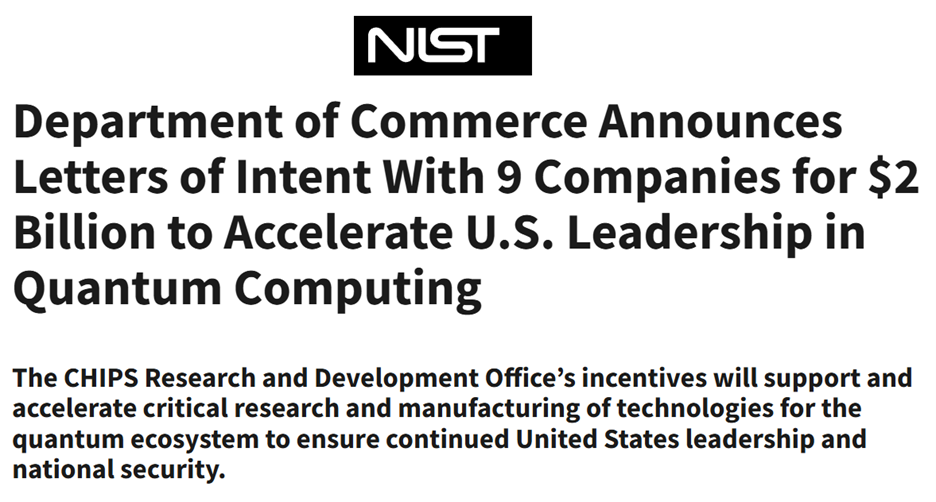
That includes $1 billion in IBM (IBM) to build the company’s quantum chip foundry, Anderon, in Albany, New York.
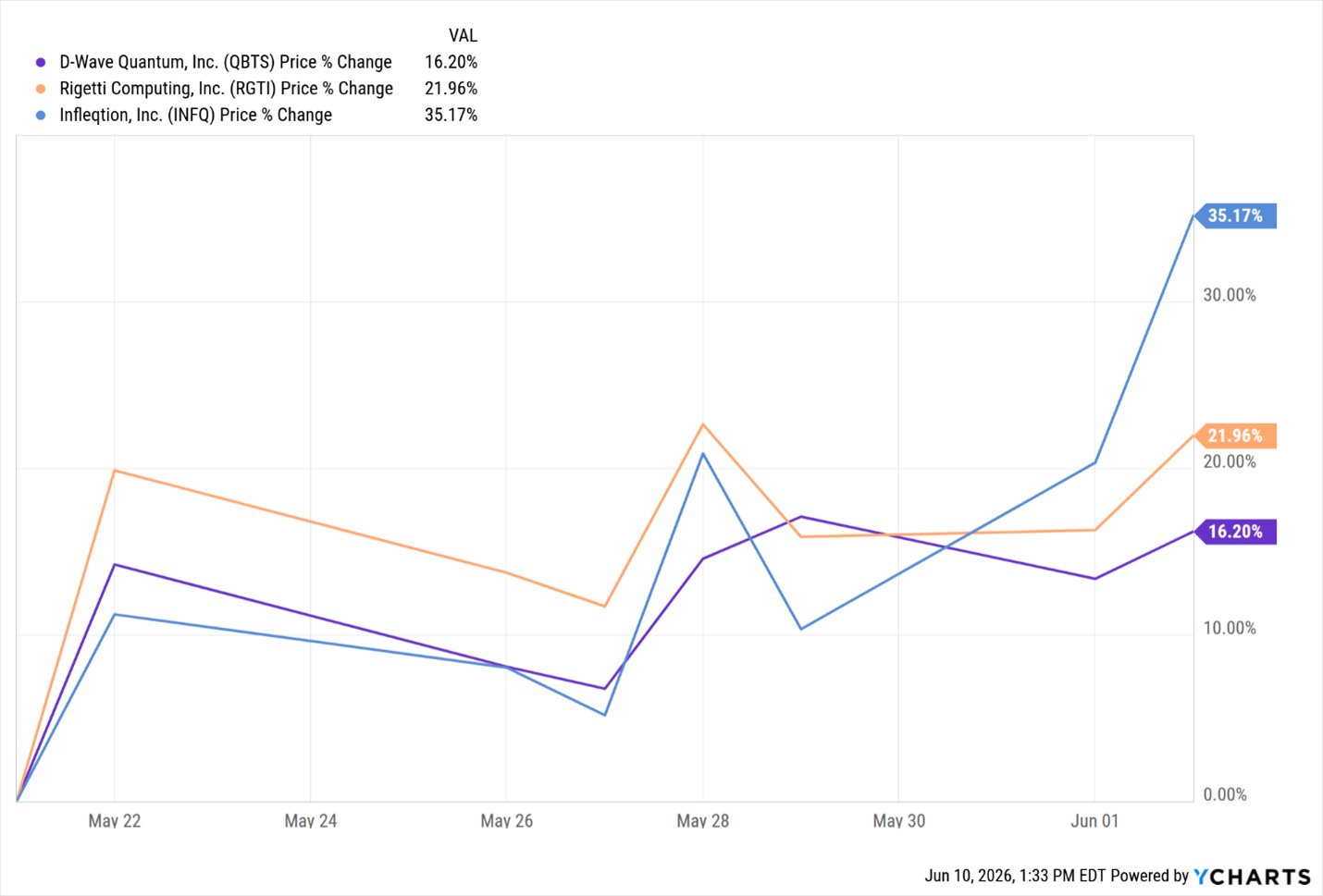
The government is also investing hundreds of millions in other U.S. quantum leaders, including D-Wave Quantum (QBTS), Rigetti Computing (RGTI) and Infleqtion (INFQ).
The stocks ripped on the news.
We’ve seen this playbook before.
Last August, the U.S. shelled out nearly $9 billion for 10% of Intel (INTC), a major AI chipmaker.
Since then, shares have climbed over 348%.
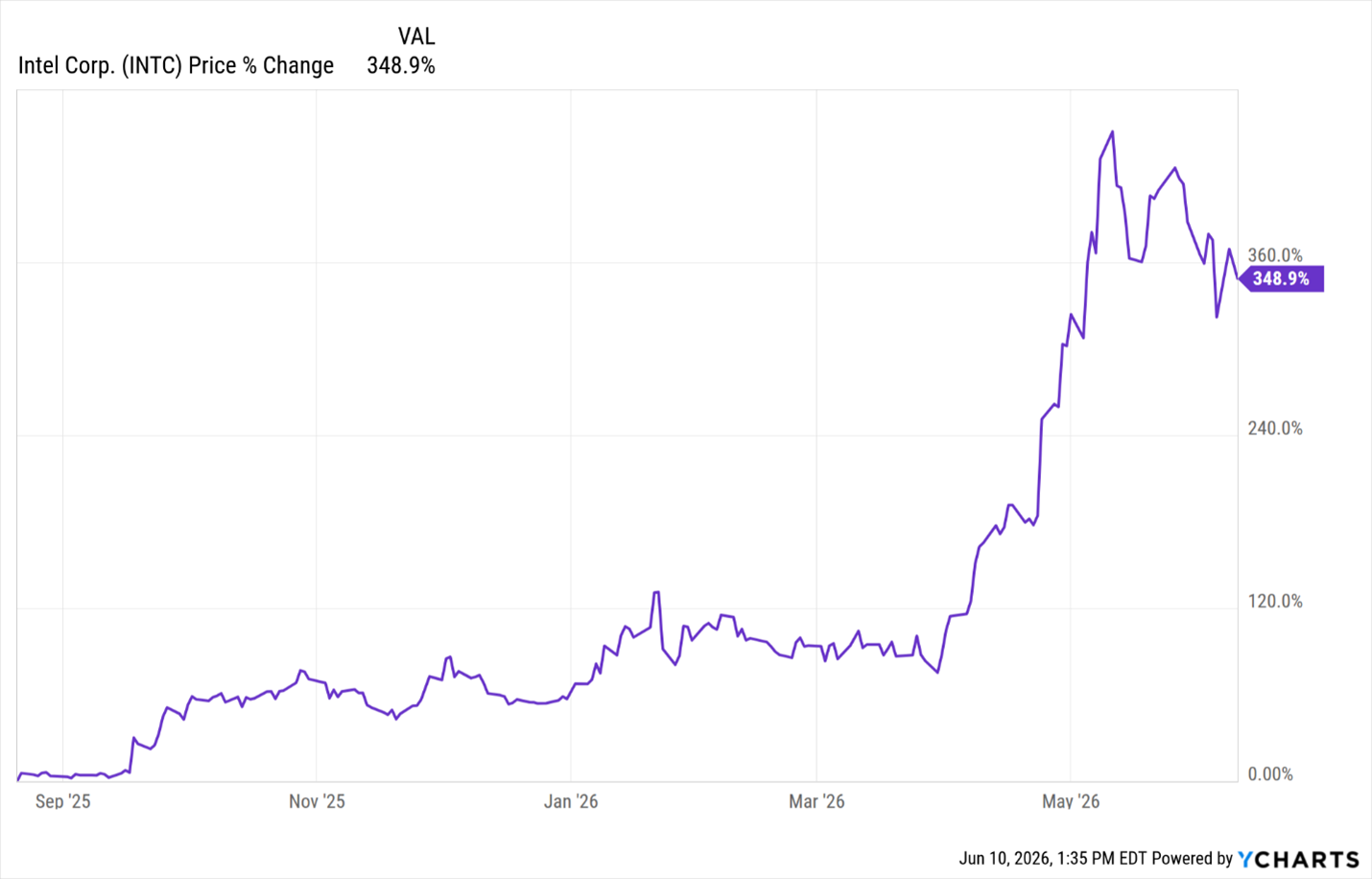
In short, the government is looking to not just support these critical industries that could have a huge impact in the future ….
But to reap the rewards for doing so.
Top of mind for the government is national security.
A quantum computer in the wrong hands could blow past the encryption that protects everything from bank accounts and health records to crypto wallets and state secrets.
Research from Google’s Quantum AI team and others recently found a 10x speedup for an algorithm that can be used to crack the cryptography securing Bitcoin and Ethereum.
Google now expects it will need to move to quantum-safe encryption by 2029 — much faster than the government’s 2035 deadline.
Stocks Making a Real Quantum Leap
Mega-caps building real quantum tech like Alphabet (GOOGL), IBM and MSFT have solid Weiss ratings.
Pure-play quantum tickers, including RGTI, INFQ and IonQ (IONQ),are still highly speculative.
With such low ratings, they are not great buying opportunities just yet. Though, keep an eye on them as the tech advances.
But I haven’t even mentioned my favorite way to play this.
Not only is the company crucial to both quantum and AI capabilities and development, but it was also one of the nine already selected to receive government investment dollars.
And there could be more money flowing in than just this.
It’s also not the only company I’ve identified to join what I’m calling “Uncle Sam’s Portfolio.”
And it pays to identify them early:
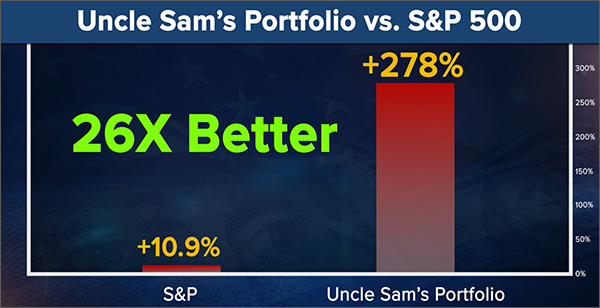
I lay out exactly how I was able to find this one — and the other ones at the top of my (and likely Uncle Sam’s) list — in this special, brand-new presentation.
I urge you to give it watch. And to get in before the next wave of government investment capital goes to publicly traded companies.
After all, not only is there a need, but also the capital to secure it.
Best,
Michael A. Robinson