 |
| By Nilus Mattive |
In September 2008, the heart of the U.S. financial system seized up in a matter of hours.
And the Federal Reserve had to purchase financial instruments it had never purchased before in its hundred-year history to keep the lights on.
A lot of people were shocked as the situation played out.
After all, the “Big 3” ratings agencies had been saying the problem was contained to smaller pools of lower-quality mortgages. Not anything big enough to sink the entire U.S. economy or its major investment banks.
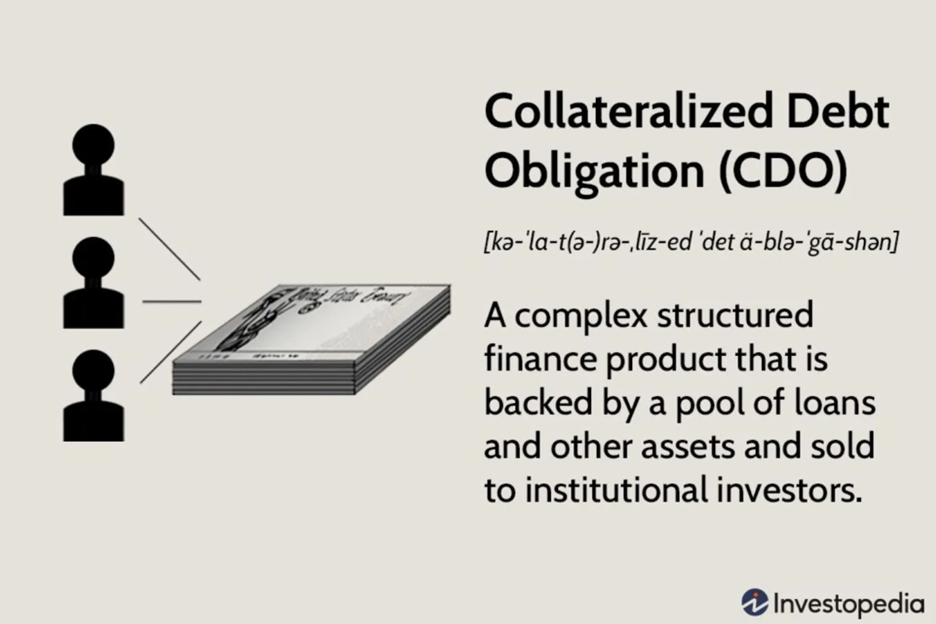
Only later was it revealed that they had delayed downgrading hundreds of billions of dollars in risky collateralized debt obligations (CDOs).
By doing that, they had kept investors in the dark about growing losses and underestimated the true risks of supposedly high-quality bundles of loans.
I wasn’t surprised at all.
I worked for one of those companies when some of the CDOs were originally getting rated.
And although I was on the equity side of the business, which was separated from the credit rating segment by a strict firewall, it was still easy to see the core problem of those people getting paid by the very same companies they were supposed to be analyzing.
It was also easy to see how much money that side of the business was making — with free vending machines in their hallways and a separate Christmas party that made ours look like a night at the local Elks Lodge.
I ended up leaving that company to join forces with Dr. Martin Weiss back in the summer of 2006 — before the whole thing blew up — and I found his approach to ratings so refreshing.
Weiss didn’t accept payment from any company that it was rating. Nor were we afraid to say exactly what we thought about any of them.
In fact, we relished our position as truly independent thinkers and analysts — telling the world the unvarnished truth no matter how painful it might be to hear.
Ultimately, that’s why Weiss Ratings was the only firm in America that warned investors about every major bank failure ahead of the 2008 Subprime Crisis.
And in our investor newsletters — especially Safe Money Report — we told subscribers over and over again about the growing danger of the housing bubble and the reckless speculation happening on Wall Street.
Millions of Americans ended up losing their homes.
Millions more lost retirement money.
And without unprecedented government intervention, the country would have lost a lot more still.
But did Wall Street learn anything at all in the process?
No.
Indeed, today’s so-called private credit market feels a lot like the CDO situation 20 years ago.
Don’t be fooled by the stock market sitting at all-time highs.
That’s precisely where it was when Weiss Ratings predicted the Dot-Com Crash in the early 2000s …
And where it traded when we issued warning after warning about the housing bubble and CDO debacle.
Stock investors almost always ignore the danger until it’s too late.
In contrast, Martin and I are always trying to figure out where the biggest land mines are before a single one explodes.
Who Will Be Swimming Naked This Time Around?
One of Warren Buffett’s most famous quips is that you won’t know who’s swimming naked until the tide goes out.
He originally made the remark about reinsurance companies that were taking on too much risk, but it resurfaces every time a new period of rampant speculation — usually involving opaque or complicated investment vehicles — gets underway.
The idea is that everything works, including big leveraged bets, when things are going well.
Once trouble starts, things can reverse just as quickly.
This is precisely what happened with the Subprime Crisis.
And it’s what has started to happen with another specific set of loans.
This time, the subprime borrowers aren't average homeowners.
They’re companies, many of them shaky, that have borrowed $3 trillion in corporate loans.
Wall Street calls these loans “private credit” because they come from nonbank institutions like private equity firms, asset managers and specialty finance companies.
They don’t trade on public exchanges, either, so we don’t really get ongoing information on them. But a large number of them might not work out.
In fact, some of these companies have defaulted already.
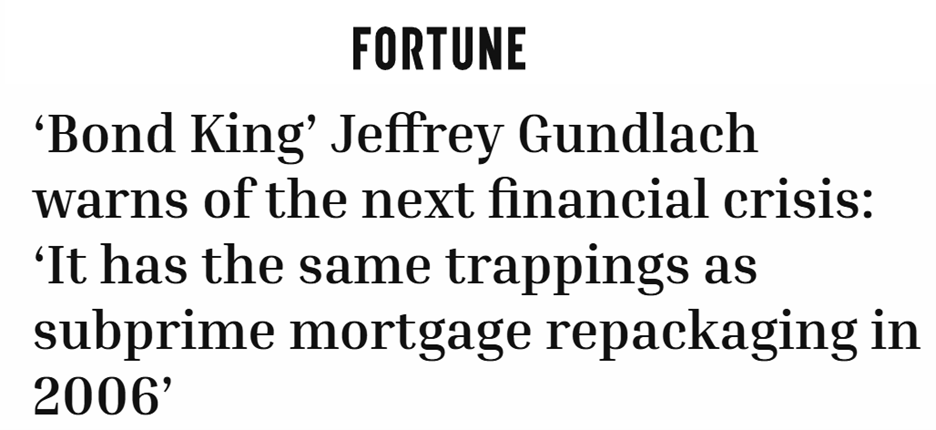
To quote DoubleLine CEO Jeffrey Gundlach:
“Everybody wants their money back: They’re starting to realize they might be the bag-holder.”
Funds including BlackRock (BLK), Blackstone (BX), Apollo (APO) and Blue Owl Capital (OWL), all heavily involved in private credit, have recently faced investor withdrawal pressure, forcing some to restrict access to cash … or worse.
Just a few months ago, BlackRock capped investor withdrawals as requests hit nearly 10%.
At Blue Owl, redemption requests hit an alarming 40%. It was forced to cap redemptions at 5% quarterly.
So this “gating” of private credit funds could be the early stage of something that gets much bigger and much scarier …
How much worse could it get? And what steps should you be taking ahead of the blow-up?
Martin and I are just wrapping up all of this for a special presentation and a series of reports.
Keep an eye on this space. I’ll let you know the minute we finish it.
Best wishes,
Nilus Mattive