The Long-Term Care Gap Medicare Leaves — And How to Close It

 |
| By David Phillips |
Most people spend decades preparing for retirement.
They contribute to retirement accounts. Invest wisely. Pay off their homes. And work hard to build financial security.
Many also take the important step of creating an estate plan. Done right, an estate plan ensures those assets are eventually passed along to the people they love.
Yet, one of the biggest threats to those plans often receives very little attention: long-term care.
The need for extended care has become one of the largest financial risks facing retirees today.
It may be a temporary or permanent need. Either way …
The cost for care — whether it’s provided in your own home, an assisted living community, a memory care facility or a skilled nursing center — can change your financial outlook in a hurry.
That is, if you haven’t planned for it.
Looking for more retirement income? Weiss members have had the chance to claim an average of $1,000+ nearly every Friday since January 2020. Payouts can run even higher — on July 24, readers had a shot at $5,339!
Today's the last day to see how it works — at midnight, the briefing comes down and this invitation closes, including access to tomorrow's 11 a.m. Eastern payout window.
Don't wait on this one. Click here to watch the replay before the 11:59 p.m. deadline.
Sure, no one wants to jinx anything. But the fact remains that some 72% of Americans over the age of 65 will experience a long-term medical care event.
Worse, by the time the change in health has occurred, many of the best planning opportunities will have already disappeared.
So the best time to talk about long-term care is before it might be needed, not in the moment.
One of the biggest misconceptions I encounter is the belief that Medicare and Medicaid will cover these expenses.
While Medicare provides excellent medical benefits and hospital care for up to 100 days, it was never designed to pay for years of custodial care.
Nor was it designed to afford help with everyday activities such as bathing, dressing, eating or mobility.
Once people discover the limitations of Medicare, they're often surprised by how much of these costs must come directly from their own savings.
Those costs can add up quickly.
Depending on where you live and the type of care required, extended care can easily cost tens of thousands — or even hundreds of thousands — of dollars over several years.
Even families who have accumulated significant retirement savings may find themselves watching those assets decline much faster than they ever expected.
The financial impact of a long-term medical event can reach deep into your pocket every month.
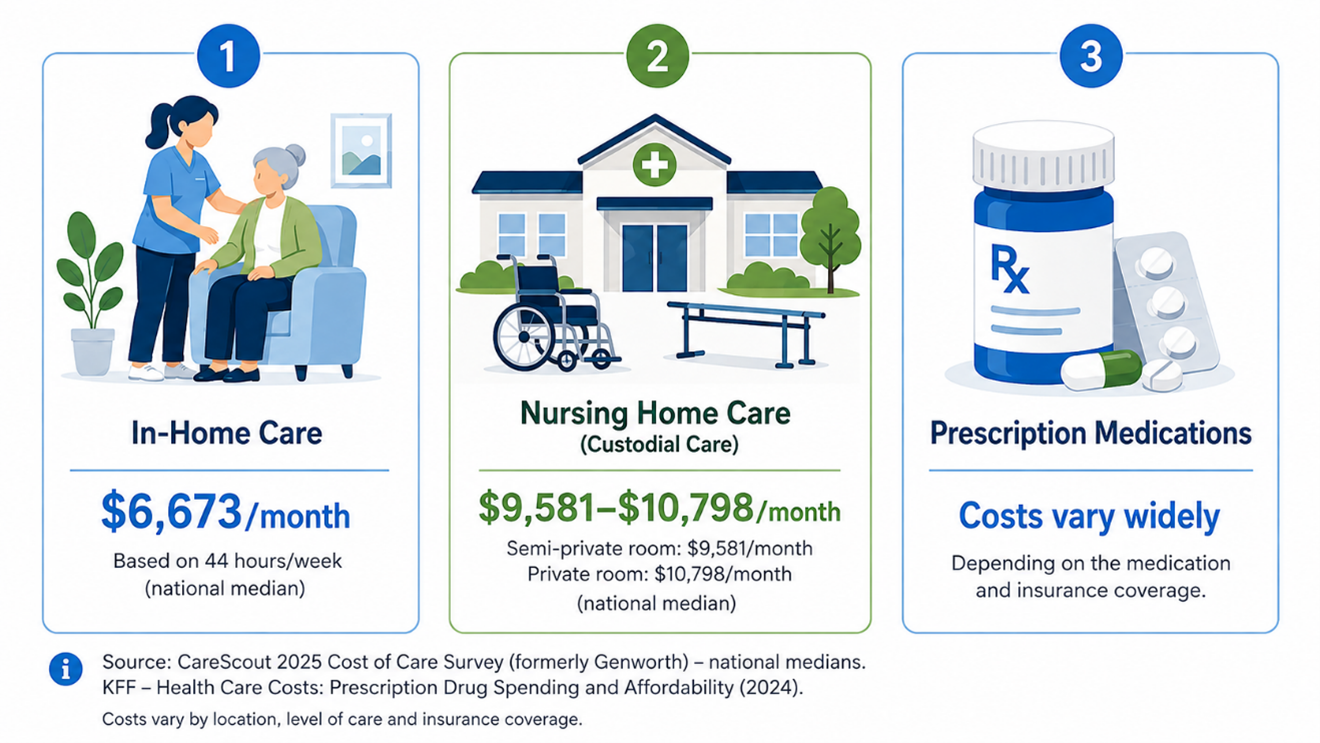
Caregivers, facilities and medications don’t come cheap.
But an expense that doesn’t get talked about enough is how much borrowing from the future may have to happen to pay for them.
And not just from your future.
Money that was intended to provide retirement income may instead be redirected toward healthcare expenses.
Assets that were meant to become an inheritance for children or grandchildren may be substantially reduced.
What happens if long-term care makes a major dent in an otherwise well-planned nest egg?
I often hear the reply that Medicaid will step in when Medicare stops.
The truth is, if you have significant assets, you would be required to “SPEND DOWN” your countable assets to qualify.
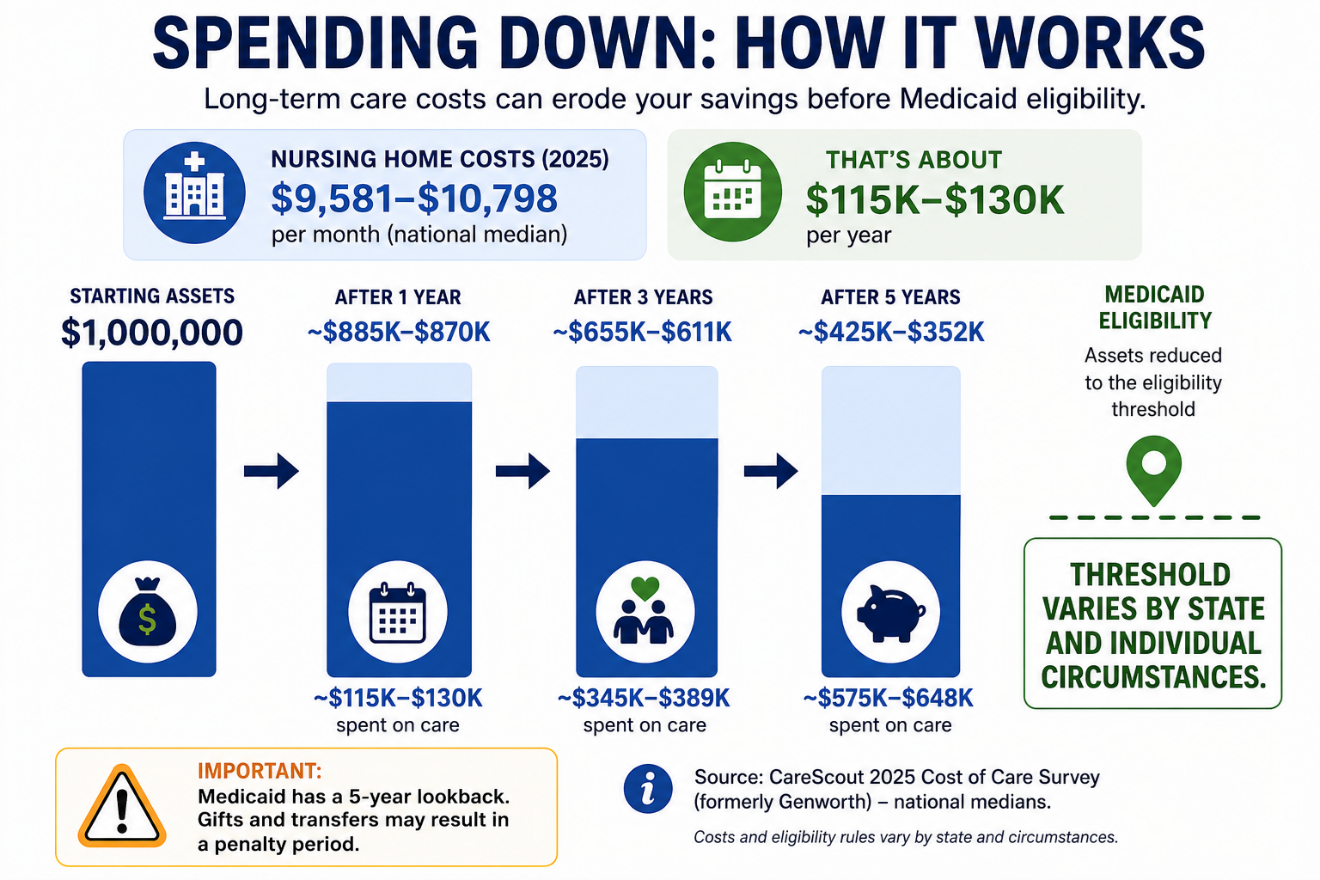
That doesn’t mean to bankrupt yourself or to give all your money away.
After all, you still want to have money to use or give away on your own terms.
And you do not want to be assigned by the government as to where you are going to live out your last days.
It is important to also understand that a long-term health event doesn't just affect the person receiving care.
It affects the entire family.
- Adult children often become caregivers while balancing careers and raising their own families.
- Spouses frequently find themselves making difficult medical and financial decisions with little preparation.
- Family members may disagree about care options, living arrangements, or how expenses should be paid.
These situations can place tremendous emotional strain on everyone involved.
My wife, Jane, understands this all too well. For several years, she regularly traveled back and forth to Utah to help care for her aging mother.
Like so many families, caregiving became a shared responsibility among siblings. Each did their best to balance work, their own households, and her mom’s needs.
It was physically exhausting, emotionally draining, and required countless sacrifices — not only from Jane, but from our entire family.
Watching her experience reinforced something I've long believed …
Long-term care isn't just a financial issue. It's a family issue.
That's why I encourage clients to think about long-term care planning way before it's ever needed.
Planning ahead isn't simply about paying for care. It's about preserving choices.
When families prepare in advance, they typically have far more flexibility.
They have time to evaluate different options, compare costs, consider where they would prefer to receive care, and determine how those expenses fit into their overall retirement and estate plan.
Without a plan, many of those decisions end up being made during a crisis.
Fortunately, today's planning landscape offers considerably more flexibility than it did years ago.
For many years, traditional long-term care insurance was the primary solution available.
I would be hard-pressed to recommend that anyone who has the older style LTC policies cancel them.
However, if you never use it, you and your family receive absolutely nothing in return. A true, “use it or lose it” proposition.
Today, however, there are a variety of new planning strategies that didn't exist just five years ago.
We’re in a new ageof LTC planning options, and most are NOT “use it or lose it” plans.
The new LTC options, which we call Leveraged Care Solutions, provide TAX-FREE cash to pay for long-term medical expenses if care is needed.
And if it isn’t needed, the value of your unused premium may be returned to your beneficiaries.
Age, health, retirement income, existing assets, family history, tax considerations, and legacy goals all play an important role in determining which of the new Leveraged Care Solutions are most appropriate for you.
All families’ circumstances are unique.
Fortunately, there are unique options available.
If you are under age 80 and in good health, most options are available to you.
I've spent more than five decades helping families navigate retirement and estate planning decisions.
And one lesson has remained remarkably consistent throughout my career:
Those who plan before a crisis always have more choices than those who wait until after one occurs.
Good estate planning isn't simply about deciding who receives your assets after you're gone. It's also about protecting those assets while you're living so they can continue serving the purpose you intended.
Ignoring the possibility of a long-term care experience doesn't eliminate the risk …
It simply increases the likelihood that important financial decisions will have to be made under pressure, with fewer options available.
Planning ahead gives you the opportunity to make those decisions on your own terms.
It allows you to protect your independence, reduce uncertainty for your family, and improve the likelihood that the wealth you've spent a lifetime building will ultimately benefit the people and causes that matter most to you.
That's why I believe failing to plan for long-term care remains one of the most common — and potentially most expensive — estate planning mistakes families make.
Ready to take the next step?
Long-term care planning isn't about expecting the worst.
It's about preparing for life's uncertainties while you still have the greatest number of options.
Whether you've already incorporated long-term care planning into your financial strategy or have never explored your options, now is an excellent time to review where you stand.
A thoughtful analysis can help you understand how a long-term care event could impact your retirement, your estate, and ultimately the legacy you hope to leave behind.
At Estate Planning Specialists, we have prepared a Special Report, “Leveraged Care Solutions — Answers to Today’s Long-Term Care Crisis.”
We recently updated it. And we are making it available to Weiss Ratings Daily readers for $14.95.
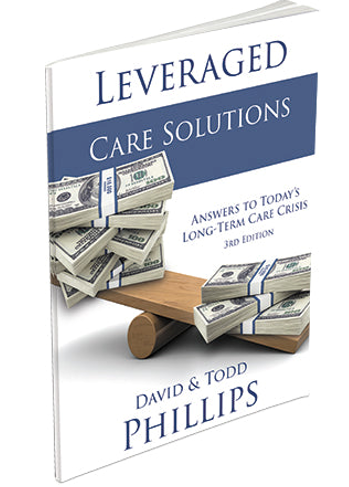
Click this link here to order your copy.
The first step when researching anything is to gain an education before a decision is made.
The Leveraged Care Solutions report was written with that objective in mind.
My staff is on hand to help you independently choose your best options.
Call today to order the report or schedule a time for us to discuss your personal options, 888-892-1102.
Live Well, Leave a Legacy!
David T. Phillips, CEO
Estate Planning Specialists