Your Car and Your Chatbot Are Both Keeping a Diary

 |
| By Beth Canova |
You back out of the driveway to run some errands. Bank, then lunch, then the doctor.
At the end of the street, a small black camera on a pole reads your plate. It does it again at the bank. And again near the clinic.
That night, you ask a chatbot about the pain the doctor brushed off. Then about your will.
You didn't tell anyone where you went. You didn't show your chat to a soul.
But both left a record. And this year, judges across the U.S. have shown who can get to those records, and how easily.
For investors who value privacy, that has a second side …
When something gets scarce, people start to pay for it.
Diary No. 1: What You Type
The New York Times (NYT) and other news outlets are suing OpenAI. They say ChatGPT was built on their stories without pay.
To test that, they asked to see what real users type into ChatGPT.
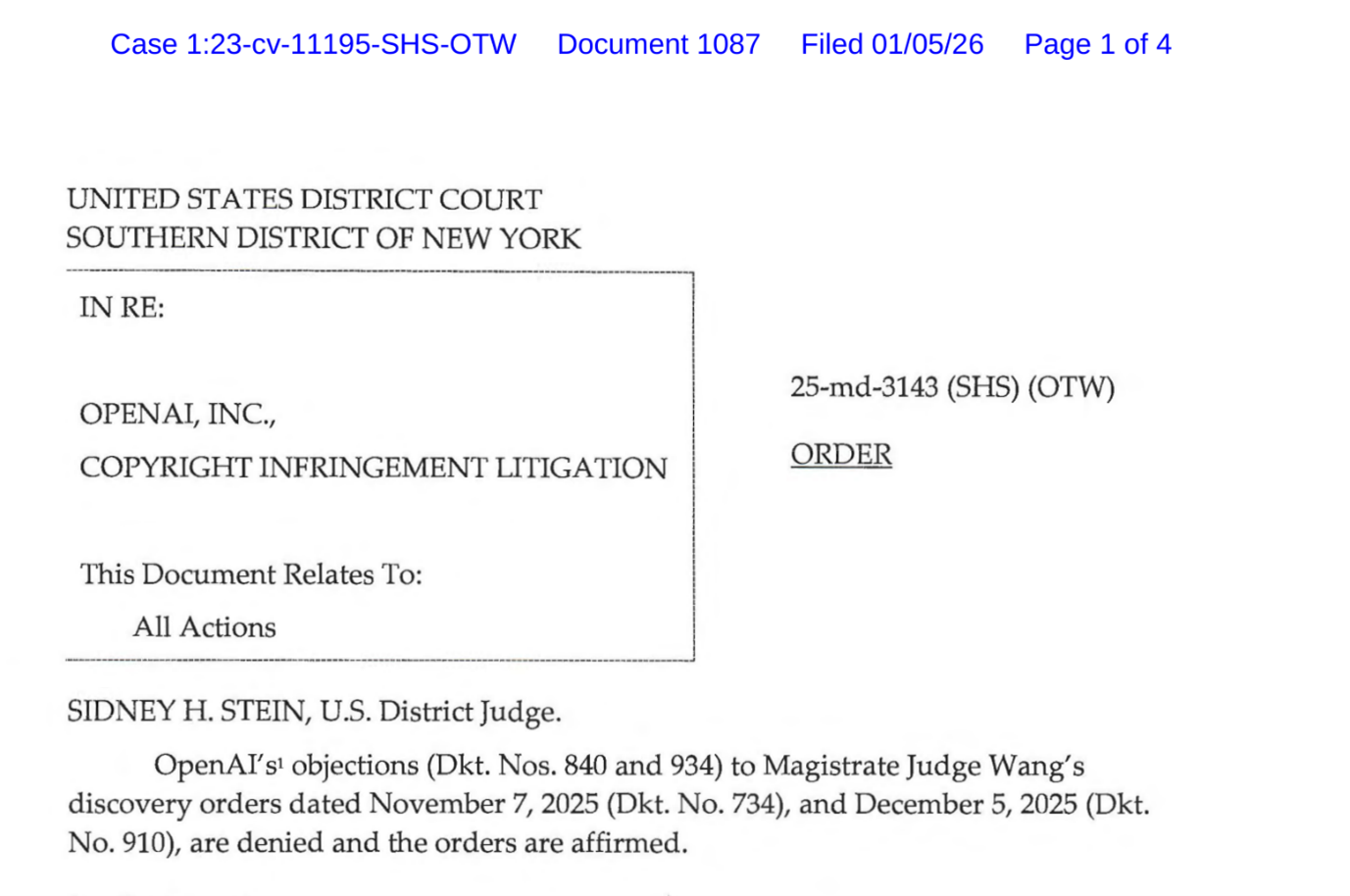
On Nov. 7, 2025, Magistrate Judge Ona Wang ordered OpenAI to hand over 20 million ChatGPT chats. OpenAI fought it.
On Jan. 5, 2026, District Judge Sidney Stein upheld her order.
The chats were stripped of names first. Nobody at the Times is reading yours with your name on it.
But the judge was clear about why privacy lost. He wrote that users "voluntarily disclosed" those chats to OpenAI. In his eyes, you handed it over.
The law that guards your health records, HIPAA, covers doctors, clinics and health plans. It doesn't cover an app you chose to talk to. The same goes for the rule that keeps your talks with a lawyer private.
And OpenAI keeps tens of billions of these chats, the order notes.
Diary No. 2: Where You Drive
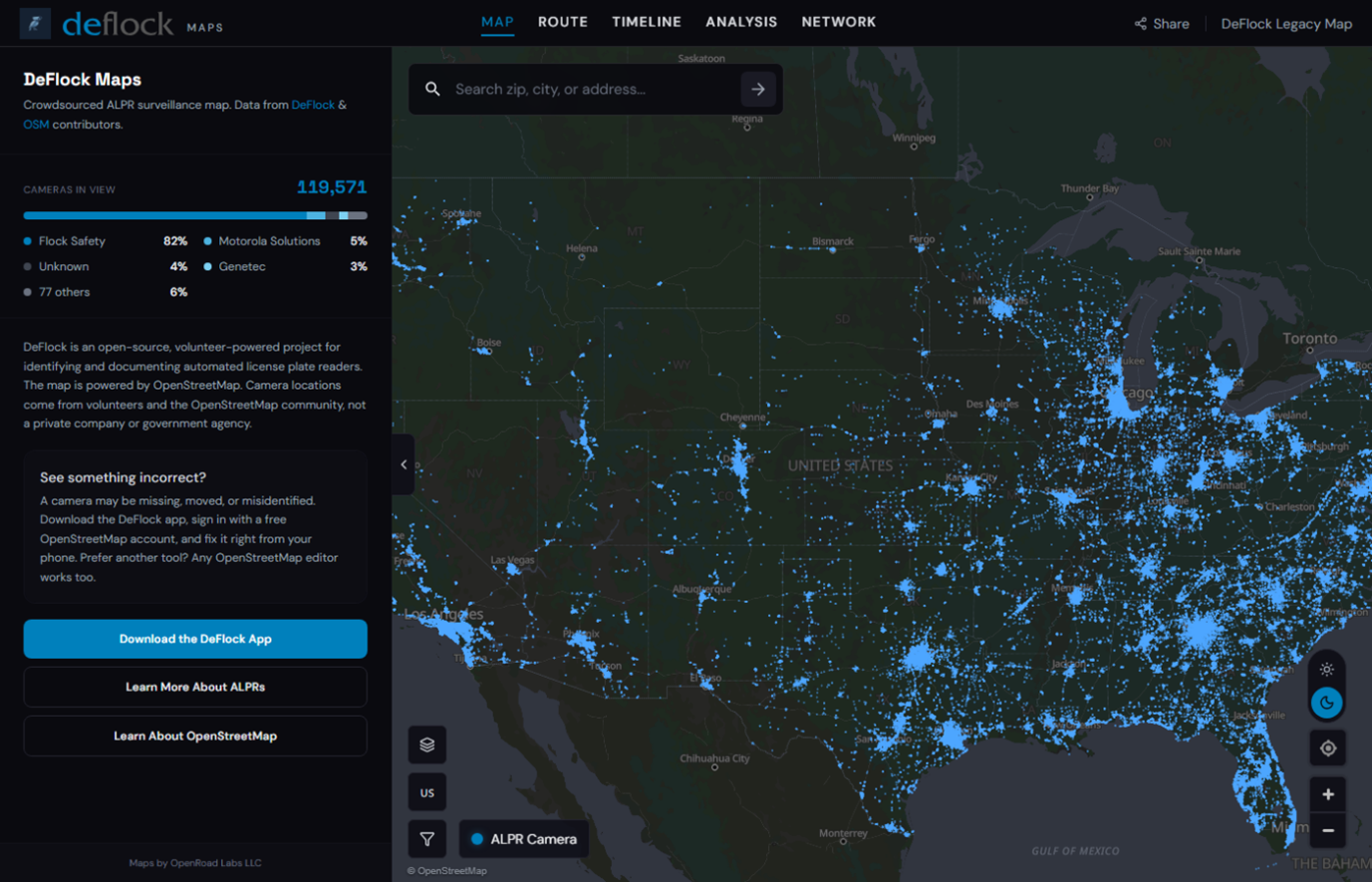
The camera on the pole is most likely made by Flock Safety, a private firm. It reads every plate that passes and stores the time and place.
ABC News counted more than 135,000 of these plate readers across the U.S. in September. Flock makes about four of every five.
Flock says its cameras helped find more than 10,000 missing people in 2025. That's real.
But the pushback has been fierce. More than 50 cities and counties canceled or shut off these cameras this year, per ABC News.
Then, on Oct. 1, a federal judge in Oklahoma drew a line. A deputy had pulled about a month of one woman's travel history from plate-reader networks, including Flock, with no warrant, because her car had California plates.
Judge Sara Hill threw out the evidence. She called the network "indiscriminate mass surveillance."
One judge made your chats evidence. Another said police went too far with your car.
Put those together, and the lesson is plain: Privacy is no longer the default. You have to go get it.
Where the Money Could Flow
A new group of crypto projects sells exactly that: privacy.
Some allow you to choose which transactions to shield. Others AI in sealed chips that not even the owner can open.
The best-known one, Zcash (ZEC), is already up about 145% this year. So here are three other names to watch, each with a different bet and a different risk.
1. Monero (XMR): The Cash in the Mattress
Monero is the purest privacy coin. Every transaction hides the sender, the receiver and the amount. By default. Think of it as cash that can travel by wire.
All Monero is worth about $10.4 billion. It's up about 28% this year.
Here’s the bullish thesis: The demand is stubborn. Despite regulated venues like banks and exchanges pushing it away for years, XMR is still one of the 15 largest coins.
But that strength is also the risk. Especially as more platforms increase their focus on regulatory compliance.
Binance dropped it in February 2024. Kraken dropped it across Europe that fall.
And more headwinds are on the horizon. A new EU law — set to take effect on July 10, 2027 — bars banks and crypto firms from running anonymous accounts. And anonymous safe deposit boxes, "including through anonymity-enhancing coins."
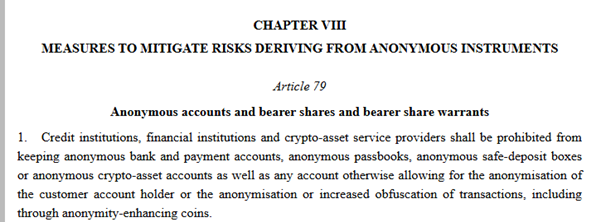
To be clear, owning Monero will stay legal. But buying and selling it will get harder.
And there is no U.S. fund that holds it.
2. Midnight (NIGHT): Privacy with a Permission Slip
Midnight comes from the team that built Cardano (ADA). It went live in March.
Its pitch is privacy you can switch on and off. You prove what's needed and keep the rest.
The NIGHT token itself is public. It powers a second, hidden token that pays for private transactions. That split is built to keep regulators calmer than Monero does.
Its most significant strength is its client list. The firms that run its network include Google Cloud, part of Alphabet (GOOGL), plus MoneyGram and eToro (ETOR).
Few new projects launch with names like those.
The risks are big, though. Midnight is a new, small-cap speculative project. Which means it’s more susceptible to crypto’s volatile swings.
At the time of writing, all NIGHT is worth only about $740 million. And it's down about 62% from its December peak.
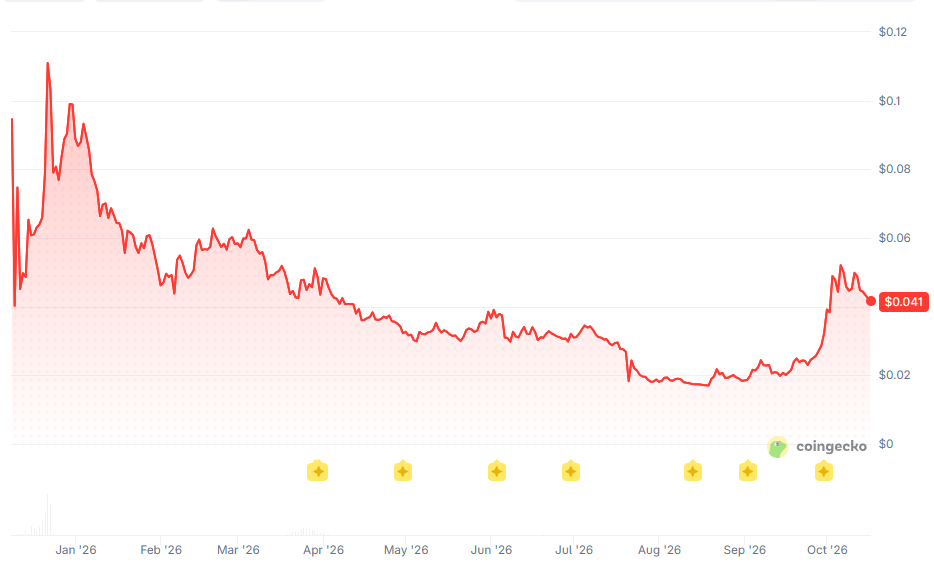
In July, thieves took about 515 million NIGHT through a flaw in an outside bridge, a tool that moves tokens between networks.
Midnight's own network wasn't hit, but the price fell to a record low.
That said, NIGHT more than doubled in the past month, recovering faster than the broad market in the recent rally.
Which just goes to show wild swings like that cut both ways for speculative plays.
3. NEAR (NEAR): The Sealed Room for AI
This one goes back to your chatbot.
NEAR runs AI on chips from Intel (INTC) and NVIDIA (NVDA) inside a sealed room. Your question goes in locked and comes out locked.
Even NEAR can't look in, and the chip signs a receipt to prove it.
The Brave browser and the private chat app Venice (VVV) both use it.
The case for this strategy is simple: It’s a picks-and-shovels play. Near sells the plumbing, not single privacy option.
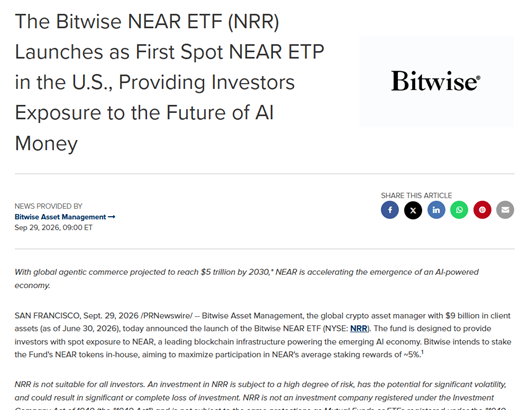
And on Sept. 29, Bitwise launched the first U.S. exchange-traded fund that holds NEAR, under the ticker NRR. You can buy it in a normal brokerage account.
The risk is in its price.
All NEAR is worth about $6.7 billion. Its main fee business — a trading service called Intents — kept about $8.1 million over the past year, according to DefiLlama.
The token trades at more than 800 times that.
And on Oct. 1, an attacker drained about $3.8 million from Intents. All of it came back within days, but new money rails got tested.
Not only that, but big tech can build the same sealed room. Google already does it for some of its own AI tools.
Using Near may be cheaper right now. But if that math changes, it could pose a significant threat to the underlying investment thesis.
Still, the NEAR token has more than tripled this year. Which makes it worth keeping on your radar.
What to Do Before Your Next Chat
When it comes to protecting your privacy in daily life, start with one test…
Before you type, ask if you'd be fine hearing what you write read out loud in a courtroom. If not, leave out names, account numbers and anything that points back to you.
For touchy topics, use ChatGPT's Temporary Chat. It skips your history and is deleted within 30 days, unless the law says otherwise.
Then, look up your town. Many police departments post a Flock "transparency portal" that shows how many cameras they run and why they searched.
If yours has cameras and no portal, that's worth a call to city hall.
And if you want to own a piece of the privacy trade, keep it small. There are solid opportunities within the crypto privacy space. But they are speculative plays, and reliant on the whims of regulators.
Monero is a bet that demand outlasts the rules. Midnight is a bet that privacy wins by working with them. NEAR is a bet that AI goes private.
Pick the bet you believe. Size it like a long shot.
And keep Big Brother where he belongs — outside your personal business.
Best,
Beth Canova